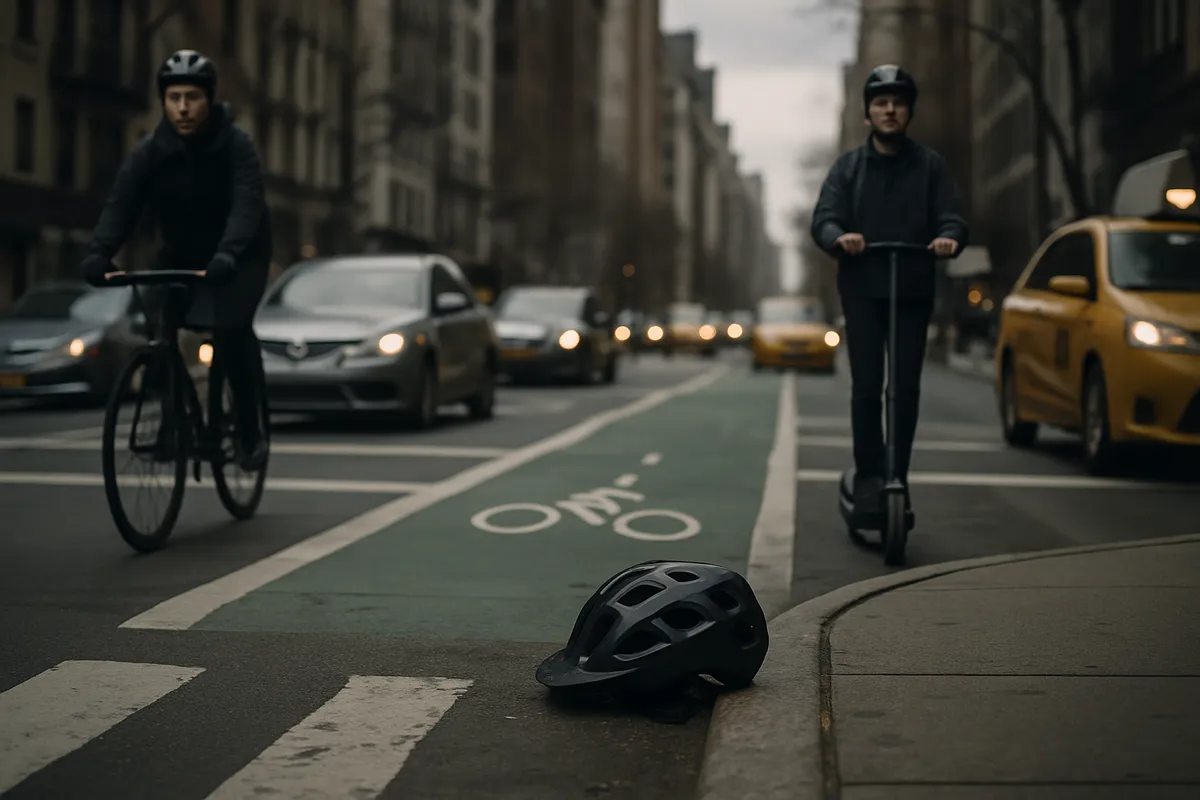

Navigating the bustling streets of New York is a daily routine for millions, but the reality is that pedestrians are inherently vulnerable. When a multi-ton vehicle collides with a pedestrian in a crosswalk, the physical, emotional, and financial devastation is immediate. However, the nightmare often continues long after the initial impact.
One of the most shocking realizations for injured pedestrians is that insurance companies will actively try to blame the victim. Even if you were struck while legally crossing the street, adjusters will aggressively search for ways to argue that you were distracted, crossing improperly, or somehow at fault. This tactic is rooted in New York’s specific legal framework regarding shared fault.
Understanding how comparative negligence works and mastering the settlement process is the only way to protect your rights. If you or a loved one has been injured, you need a meticulous and aggressive legal strategy to ensure you receive the maximum legal compensation available.
The Harsh Reality of Pedestrian Accidents in New York
New York City’s intersections are notorious for their chaotic mix of aggressive drivers, turning vehicles, and heavy foot traffic. Despite initiatives like Vision Zero, pedestrian knockdowns remain a critical issue.
When a pedestrian is hit, the injuries are rarely minor. Victims frequently suffer from traumatic brain injuries (TBI), spinal cord damage, complex fractures, and internal bleeding. The road to recovery is long, and the medical bills can become overwhelming. During this vulnerable time, the at-fault driver’s insurance company begins building a defense to minimize their financial exposure. Their primary weapon in this fight is the legal doctrine of comparative negligence.
What is “Pure Comparative Negligence” in New York?
New York operates under a “pure comparative negligence” system (CPLR § 1411). This law dictates that an injured party’s financial recovery will be reduced by their percentage of fault in causing the accident.
Unlike some states where you are barred from recovery if you are more than 50% at fault, New York allows you to recover damages even if you are deemed 99% responsible. However, the goal of any aggressive personal injury claim is to prove that the driver was 100% at fault, thereby maximizing your compensation.

How Insurance Companies Weaponize Comparative Negligence
Insurance adjusters are trained to manipulate statements and evidence to shift the blame onto the pedestrian. Common tactics include arguing that the pedestrian:
* Was distracted by a smartphone or wearing headphones while crossing.
* Stepped off the curb suddenly without giving the driver enough time to stop (darting out).
* Crossed outside the marked crosswalk or against the pedestrian walk signal.
* Failed to wear reflective clothing at night, making them “invisible” to the driver.
If an insurance company successfully argues that you were 30% at fault for looking at your phone, your total settlement will be reduced by 30%. This is why you must never give a recorded statement to the driver’s insurance company without consulting an experienced attorney.
Crucial Evidence to Prove Driver Liability
To defeat the insurance company’s comparative negligence arguments, you must build an airtight case proving the driver’s negligence. In New York, pedestrians generally have the right of way in a crosswalk, but proving the exact circumstances of the crash requires swift and decisive action.
1. Surveillance and Dashcam Footage
In a city as heavily monitored as New York, video evidence is paramount. Securing CCTV footage from nearby businesses, traffic cameras, or dashcams from witnesses can definitively prove that you had the right of way and that the driver failed to yield. Video evidence is objective and often destroys the driver’s false narrative.
2. Witness Testimonies
Independent witnesses who saw the accident can corroborate your version of events. Their statements are vital in proving that the driver was speeding, distracted, or ran a red light.
3. Police Accident Reports (MV-104A)
The responding NYPD officers will document the scene, note the positions of the vehicle and the pedestrian, and often issue citations to the driver for traffic violations (such as failure to yield to a pedestrian). While the police report is a starting point, a skilled attorney will dig deeper into the forensic evidence.
The Settlement Process: Step-by-Step
Securing maximum legal compensation for a crosswalk pedestrian accident involves navigating a complex, multi-tiered insurance system.
Step 1: Filing a No-Fault Insurance Claim
Regardless of who caused the accident, your initial medical bills and a portion of your lost wages are covered by the striking vehicle’s No-Fault insurance (Personal Injury Protection or PIP). You must file a No-Fault application within 30 days of the accident. Failing to meet this strict deadline can result in a complete denial of medical coverage.
Note: If you were struck by a taxi or rideshare vehicle, the process involves specific commercial policies. Understanding New York taxi accident No-Fault insurance limits is crucial for ensuring your immediate medical needs are funded.
Step 2: Pursuing a Bodily Injury Claim
No-Fault insurance only covers basic economic losses; it does not compensate you for pain and suffering, emotional distress, or future diminished earning capacity. To recover these damages, you must file a bodily injury claim against the at-fault driver’s liability insurance.
This is where the battle over comparative negligence truly begins. Your attorney will present the gathered evidence, medical records, and expert testimonies to demand a settlement that reflects the true severity of your injuries.
Step 3: Handling Hit-and-Run Scenarios
Tragically, many pedestrian accidents in New York involve drivers who flee the scene. If the vehicle that struck you cannot be identified, you are not out of options. You may be able to file a claim through your own auto insurance policy or a household family member’s policy. If you find yourself in this situation, you are dealing with a complex hit-and-run and uninsured motorist claim, which requires immediate legal intervention to trigger the correct coverage.
Step 4: Litigation and Trial Preparation
While many cases settle out of court, insurance companies will only offer a fair settlement if they know your legal team is fully prepared to take the case to trial. An aggressive litigation strategy forces the insurance company to take your claim seriously, knowing that a jury may award substantial damages if they fail to negotiate in good faith.
Why You Need an Aggressive Legal Advocate in New York
When you are recovering from severe injuries, you cannot afford to fight a massive insurance corporation on your own. They have teams of lawyers and adjusters dedicated to minimizing your payout. You need a legal advocate who understands the nuances of New York traffic laws and the aggressive tactics required to win.
Attorney Jay Koo (구자욱 변호사) is recognized for his relentless and meticulous approach to personal injury law in New York. With a deep understanding of the local courts and a commitment to the Korean-American community and local residents, Jay Koo constructs impenetrable cases that protect victims from unfair blame.
Whether it involves dismantling a false comparative negligence argument, tracking down elusive video evidence, or aggressively negotiating with stubborn insurance adjusters, 구자욱 변호사 ensures that your rights are fiercely protected.
Do not let an insurance company devalue your suffering or trick you into accepting partial fault. If you have been injured in a New York crosswalk, immediate legal action is your strongest defense. Contact Attorney Jay Koo today to secure the maximum legal compensation you rightfully deserve.
관련 글: How New York Personal Injury Settlements Are Actually Valued: The Factors That Move the Number