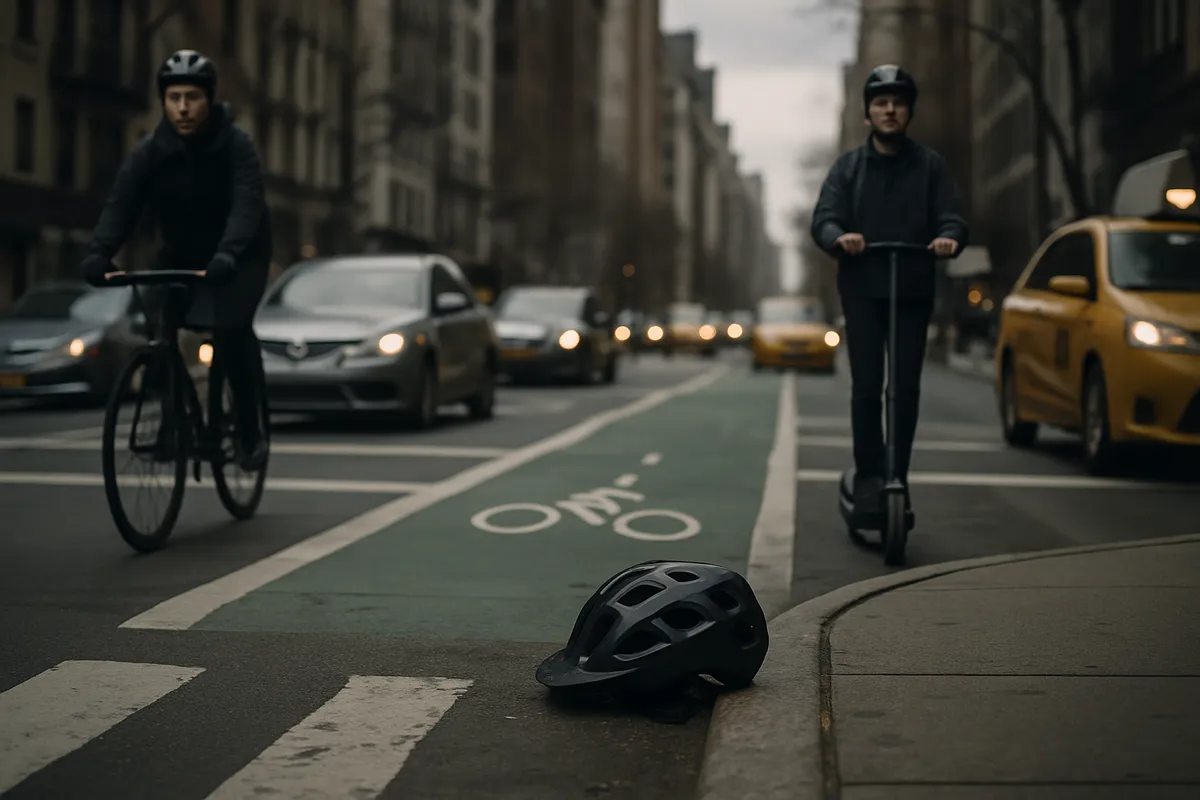
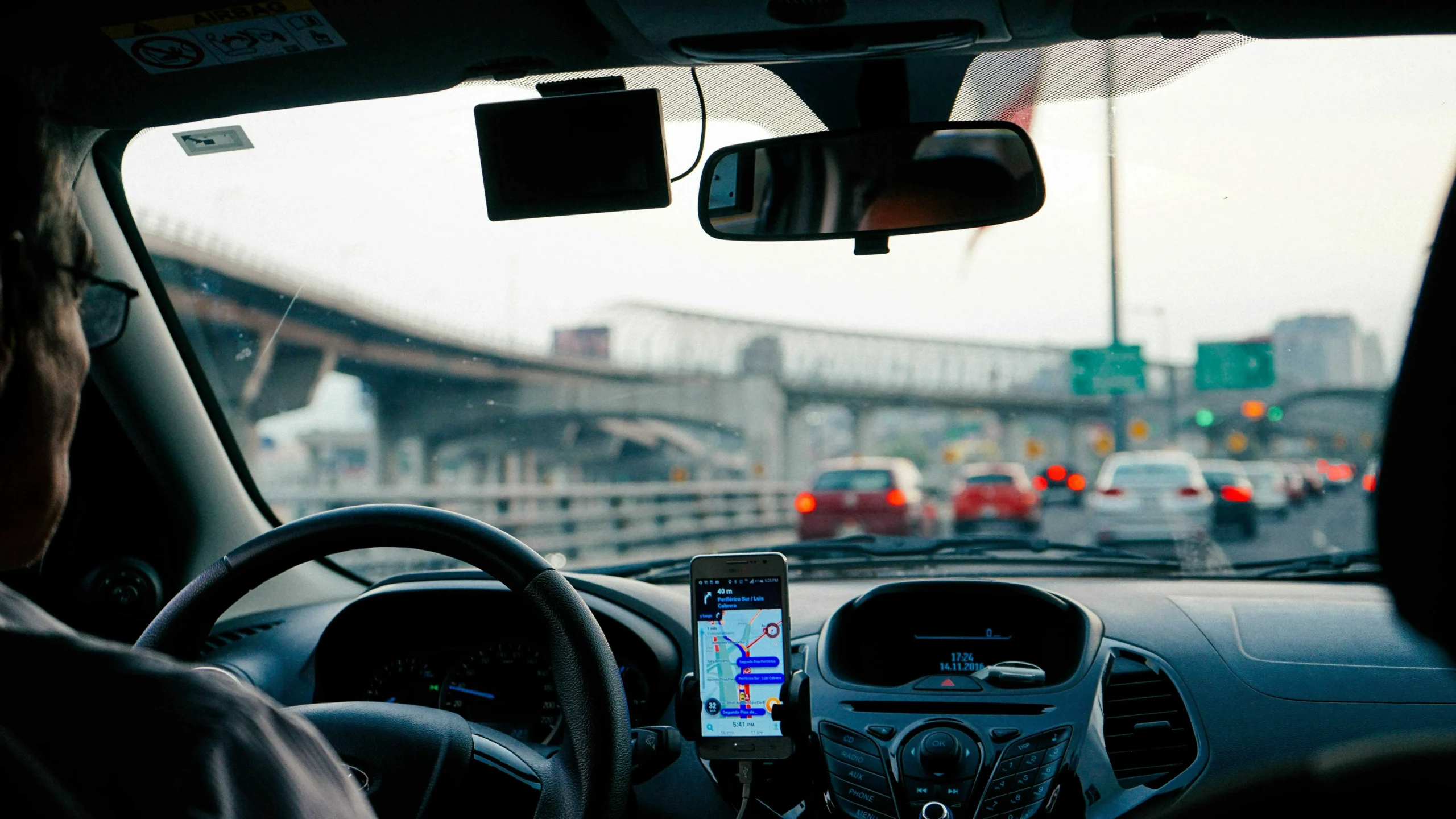
Using Uber or Lyft in New York has become part of everyday life. In Queens especially—areas like Flushing, Jackson Heights, Elmhurst, and Astoria—vehicle traffic, pedestrians, and rideshare vehicles are constantly intersecting. As a result, consultations related to Uber and Lyft accidents continue steadily.
While handling car accident cases in Queens, one common situation comes up again and again: many people end up at a disadvantage not because of the accident itself, but because they don’t know how to respond afterward.
Uber and Lyft accidents are structurally different from typical car accidents. Insurance coverage, responsible parties, and the scope of compensation are far more complex. In many cases, people speak with insurance companies first without realizing this complexity, and the direction of the case shifts in a way that’s difficult to undo.
In this article, drawing on real experience handling Uber and Lyft accident cases in Queens, I’ll lay out the practical points you absolutely need to know.
1. Uber and Lyft Accidents Are Different From the Start — It All Comes Down to Who Is Actually Responsible
Many people assume, “If it’s an Uber accident, Uber’s insurance will take care of everything.”
In reality, that’s not how it works.
The most critical issue in a rideshare accident is the driver’s status at the exact moment of the crash. In other words, what stage the driver was in on the app determines which insurance applies and how much coverage is available.
Under New York law, it generally breaks down like this:
- When the driver was logged out of the app
In this situation, Uber or Lyft typically denies responsibility.
Compensation must come from the driver’s personal auto insurance or, in some cases, the injured party’s own insurance. - When the driver was logged into the app but had not yet been matched with a passenger
At this stage, limited Uber or Lyft coverage applies.
Bodily injury coverage is usually capped at $50,000 per person and $100,000 per accident, with limited property damage coverage. - When the driver was transporting a passenger or en route to pick one up
This is when Uber or Lyft’s $1,000,000 commercial insurance policy applies.
It can cover bodily injury, wrongful death, and property damage—but in practice, applying this coverage often involves significant disputes.
Insurance companies understand this structure extremely well.
And they often approach claims assuming that the injured party does not.

2. What Insurance Companies Try First in Queens Uber and Lyft Accidents
When an Uber or Lyft accident is reported in Queens, insurance companies tend to reach out very quickly.
On the surface, they may sound polite and helpful—but their objective is clear: to get the injured person to make statements that reduce the scope of compensation.
Common questions include:
“Were you feeling pain immediately after the accident?”
“Have you ever had neck or back pain before?”
“The speed wasn’t that fast, right?”
How these questions are answered can quickly shift a case into a “minor accident,” “pre-existing condition,” or shared-fault scenario.
That’s why the advice is always the same: before speaking directly with the insurance company, the structure of the accident needs to be clearly understood and organized first.

3. The Range of Potentially Liable Parties in Uber and Lyft Accidents Is Broader Than Most People Expect
New York follows a comparative fault system, meaning liability can be shared by multiple parties—not just one. In Queens Uber and Lyft accidents, responsibility may extend to:
-
The Uber or Lyft driver
-
Another motorist involved in the crash
-
A cyclist
-
A pedestrian
-
A transportation company or employer
-
A government entity responsible for road design, maintenance, or traffic signals
-
A vehicle or parts manufacturer
If an accident is viewed only as “who hit whom,” the scope of compensation is often limited.
To fully protect your claim, the case must be analyzed structurally—why the accident happened and who created or contributed to the risk in the first place.
Anyone Can Be a Victim in an Uber or Lyft Accident
Victims in rideshare accidents are not limited to passengers. In cases handled in Queens, the injured parties often include:
-
Uber or Lyft passengers
-
Uber or Lyft drivers
-
Drivers of other vehicles
-
Pedestrians or cyclists
No matter your role at the time of the accident, if you were injured or suffered losses, you have the right to seek fair compensation.

Key Factors Considered When Handling Uber and Lyft Accidents in Queens
When handling Uber and Lyft accident cases, there are four factors that are always examined first:
-
The driver’s app status at the time of the accident and which insurance tier applies
-
Initial medical records and the overall course of treatment
-
Changes in daily life and work capacity before and after the accident
-
The arguments the insurance company is likely to raise
If these elements are not properly established early on, the case tends to move in the insurance company’s favor.
When this structure is secured from the beginning, negotiating power changes entirely.
No Matter Your Current Situation, an Evaluation Is Still Possible
You may be reaching out immediately after the accident.
You may have already received an offer from the insurance company.
Or Uber or Lyft may currently be denying responsibility.
At any stage, once your situation is accurately analyzed, options usually remain.
As an attorney who has handled Uber and Lyft accident cases in Queens, I can clearly identify what needs to be prepared first and guide the case in the right direction from here.