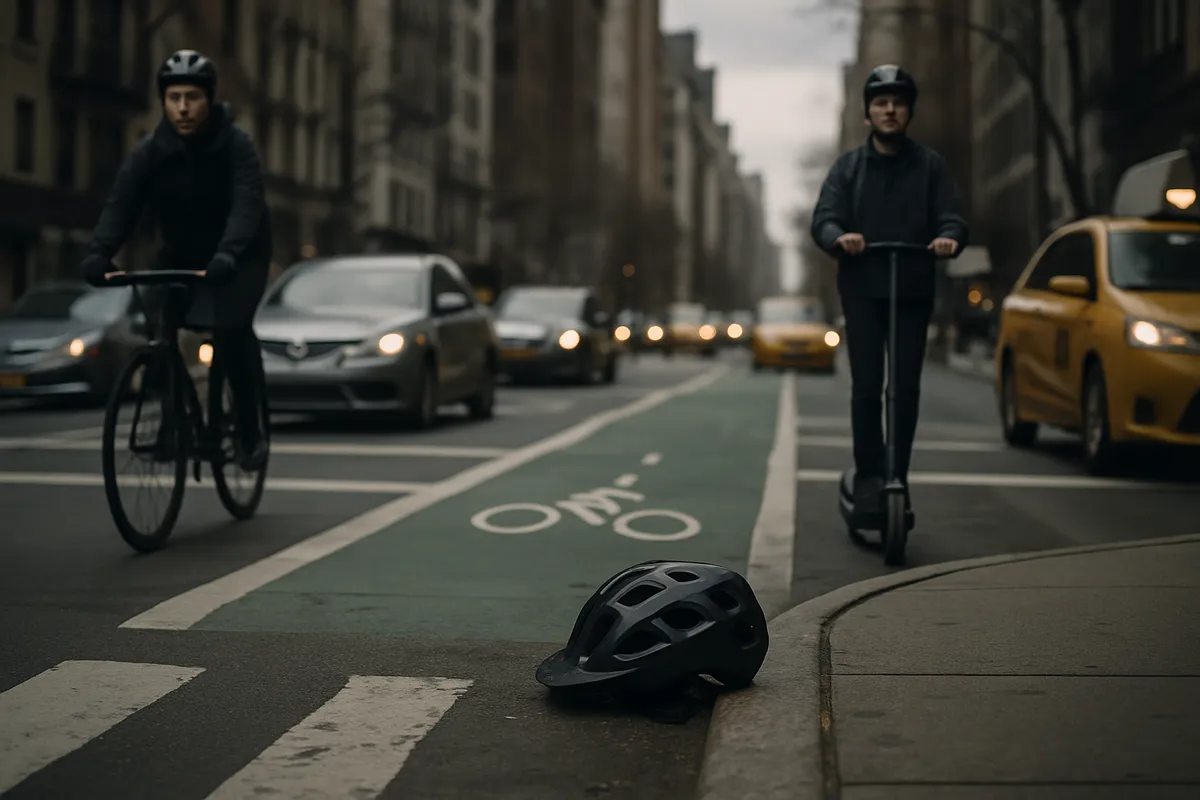

Navigating the bustling, unpredictable streets of New York as an Uber driver is a demanding profession. While the gig economy offers flexibility and independence, it also exposes drivers to significant risks on the road. When a collision occurs, the physical trauma is often just the beginning of a much longer, more exhausting battle.
For a standard commuter, a car accident involves a relatively straightforward insurance claim. However, if you are injured in a traffic accident while working as an Uber driver, you are immediately thrust into a complex legal labyrinth. The immediate question arises: Who is responsible for your medical bills and lost wages? Is it your personal auto insurance, Uber’s corporate liability policy, or Workers’ Compensation?
Because rideshare companies classify their drivers as independent contractors rather than traditional employees, the lines of liability are intentionally blurred. Insurance companies are notorious for exploiting this confusion, pointing fingers at one another to delay or deny your rightful claims. To protect your livelihood and secure the maximum legal compensation, you must understand the intricate interplay between passenger insurance and state-mandated injury funds.

The Complex Reality: Independent Contractors vs. Employees
The core of the conflict lies in employment classification. Traditional employees injured on the job are straightforwardly covered by their employer’s Workers’ Compensation insurance. However, Uber and Lyft classify their drivers as 1099 independent contractors.
Historically, this meant rideshare drivers were left entirely to fend for themselves after an accident. Fortunately, New York State recognized this dangerous loophole. To protect gig workers, the state utilizes the New York Black Car Fund (BCF). This fund acts as a specialized Workers’ Compensation system specifically designed for rideshare and black car drivers in New York.
While the BCF provides a critical safety net, accessing these benefits while simultaneously dealing with third-party liability claims (if another driver caused the crash) or Uber’s supplemental insurance creates a massive bureaucratic collision.
The Insurance Maze: Uber’s Coverage vs. The Black Car Fund
To successfully resolve an Uber driver accident claim, we must dissect the exact moment the accident occurred. Uber’s insurance coverage is not a blanket policy; it fluctuates dramatically based on your status on the app. This is known in the legal industry as the “Three Periods of Ridesharing.”

Period 1: The App is On, Waiting for a Request
During this phase, you are logged into the Uber app but have not yet accepted a ride. If you are hit by another vehicle, Uber provides only contingent liability coverage. This means your personal auto insurance is expected to be the primary coverage. However, many personal insurance policies contain a “business use exclusion” and will deny the claim the moment they discover you were logged into a rideshare app. This creates a dangerous coverage gap.
Period 2: Request Accepted and En Route
The moment you accept a passenger’s request and are driving to pick them up, Uber’s commercial insurance policy kicks in. This provides significantly higher coverage limits for bodily injury and property damage. Furthermore, if you are injured, this is the point where your eligibility for the New York Black Car Fund becomes highly relevant, as you are actively engaged in work-related duties.
Period 3: Passenger in the Vehicle
From the moment the passenger enters your vehicle until they exit, Uber’s maximum commercial liability and uninsured/underinsured motorist (UM/UIM) coverage are fully active. If an accident occurs here, the conflict between the passenger’s potential claims, the at-fault driver’s insurance, and your own Workers’ Compensation rights reaches its peak complexity.
Similar to the complexities seen in Amazon and delivery truck accidents, commercial driving collisions involve multiple corporate entities and aggressive defense teams whose sole goal is to minimize payouts.
The Core Conflict: Why Claims Get Denied and Delayed
When an Uber driver is injured, a chaotic “finger-pointing” dynamic begins between the various insurance carriers. This is the primary reason why unrepresented drivers face devastating financial delays.
- The Personal Insurance Denial: Your personal auto insurer will likely deny the claim, citing that you were driving for commercial purposes.
- The Uber Insurance Delay: Uber’s commercial insurer (often James River or similar entities) will heavily scrutinize the app data to argue you were not in Period 2 or 3, attempting to push liability back to your personal insurance.
- The Black Car Fund Hurdles: While the BCF is designed to help, the application process is strictly regulated. Any discrepancy in your medical records or initial accident report can lead to a denial of your lost wages and medical coverage.
Furthermore, if the accident was caused by a negligent third party (another driver), you have the right to pursue a personal injury lawsuit against them. However, any settlement you receive from the third party may be subject to a Workers’ Compensation Lien. This means the Black Car Fund may demand to be reimbursed from your settlement for the medical bills they paid. Navigating this lien without an experienced attorney can result in you losing a massive portion of your final settlement.
Step-by-Step Guide: What to Do After an Uber Accident in NY
If you are involved in a collision while driving for Uber, the actions you take in the first 24 hours will dictate the success of your legal claims.
- Secure the Scene and Call 911: Never negotiate with the other driver off the record. You need an official NYPD accident report to prove the collision occurred and to document the at-fault party.
- Screenshot the Uber App: Immediately take a screenshot of your Uber app showing your current status (en route, on a trip, etc.). Uber’s corporate data can sometimes “glitch” or be difficult to subpoena later. Your screenshot is undeniable proof of your work status.
- Seek Immediate Medical Attention: Even if you feel fine, adrenaline masks severe injuries like whiplash, concussions, or spinal disc herniations. Go to the ER or an urgent care center immediately. Delaying treatment gives insurance companies an excuse to argue your injuries are unrelated to the crash.
- Do Not Give Recorded Statements: Insurance adjusters will call you quickly, acting friendly. Their goal is to trick you into downplaying your injuries or admitting partial fault. Decline to give a recorded statement until you have legal representation.
- Understand Your Rights Regardless of Status: It is vital to know that under New York law, workers’ compensation rights extend to all workers, including undocumented immigrants. Do not let fear of your immigration status prevent you from seeking the medical care and compensation you deserve.
Why You Need a Specialized Rideshare Accident Attorney
Handling a standard car accident is difficult; handling an Uber driver accident involving the Black Car Fund, commercial insurance policies, and third-party liability is nearly impossible for someone without specialized legal training.
New York Attorney Jay Koo understands the intricate web of gig economy laws and insurance tactics. When you are fighting against massive corporate entities like Uber and their aggressive insurance defense teams, you need an advocate who is equally aggressive and meticulously prepared.
Attorney Jay Koo does not settle for quick, lowball offers. He conducts a deep-dive investigation into the crash, secures the necessary app data, coordinates seamlessly between your Workers’ Compensation claim and your personal injury lawsuit, and negotiates the complex liens to ensure that the money stays in your pocket, not the insurance company’s.
Protect Your Livelihood and Your Future
A severe accident can instantly strip away your ability to earn a living. You should not have to bear the financial burden of medical bills and lost income because insurance companies refuse to play fair.
If you or a loved one has been injured in a traffic accident while working as an Uber or Lyft driver in New York, immediate legal intervention is critical. Do not let the conflict between passenger insurance and Workers’ Compensation ruin your financial stability. Contact Attorney Jay Koo today for a comprehensive case evaluation, and let a proven legal architect build the strongest possible claim for your recovery.